
CS2 Skins Investing Explained: Strategy, Risk & Long-Term Value
CS2 Skins Investing: Understanding Value Beyond the Game
The idea of investing in game cosmetics once sounded strange, but CS2 skins have evolved into a functioning digital marketplace where collectors, traders, and long-term investors interact daily. When exploring platforms such as AddSkins, alongside common searches like CS2 skins trading, market prices, item liquidity, and inventory value tracking, it quickly becomes clear that this ecosystem operates much closer to collectible markets than traditional gaming purchases.
Successful investors don’t treat skins as quick flips. They approach them the same way sneaker collectors or card investors do: understanding demand, recognizing scarcity, and managing timing. The difference between profit and disappointment usually comes down to patience rather than luck.
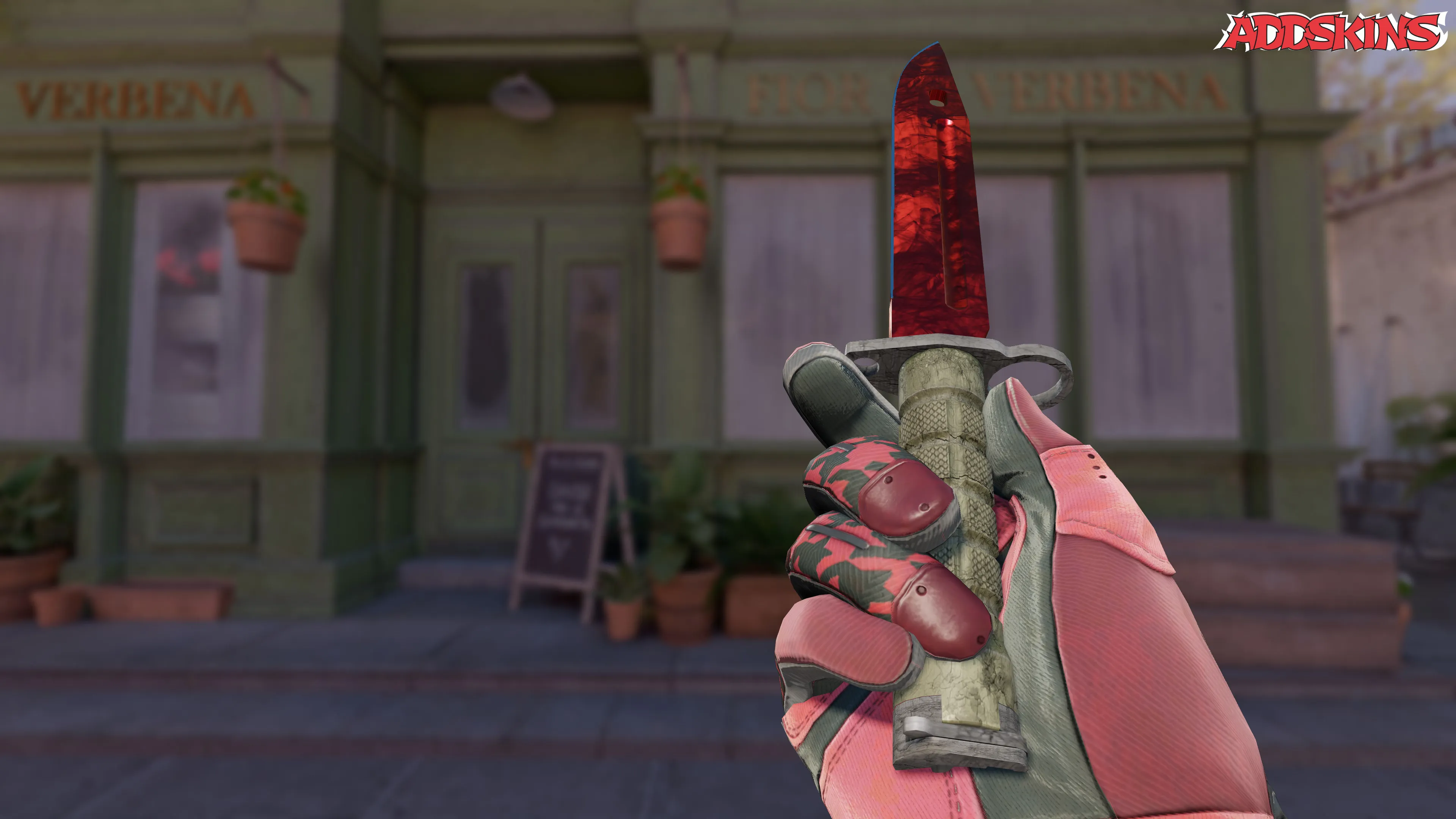
The Real Source of Skin Value
A CS2 skin isn’t valuable simply because it looks good. Value comes from interaction between players and availability. Every day, thousands of users buy skins to express identity in-game, which creates constant demand pressure.
Several factors combine to shape pricing:
- Player preference for specific weapons used frequently in competitive matches.
- Limited supply tied to older or inactive cases.
- Visual uniqueness that stands out during gameplay or streaming.
- Community reputation built over years of exposure.
Notice that none of these factors rely on randomness. Markets reward items people consistently want to own.
Why New Investors Often Fail
Many beginners enter the CS2 market expecting fast returns. They buy whatever is trending on social media or whatever recently spiked in price. Unfortunately, hype-driven purchases usually mean buying from someone already taking profit.
The most common mistakes include:
- Chasing rapid price increases instead of researching long-term demand.
- Investing entire budgets into one expensive skin.
- Ignoring trading volume and liquidity.
- Reacting emotionally to short-term price swings.
Experienced collectors think differently. They assume markets fluctuate and design strategies that survive volatility.
How Experienced Collectors Select Skins
Rather than asking “Will this explode in price?”, smart buyers ask a simpler question: “Will people still want this skin a year from now?”
Reliable investment candidates often share several characteristics:
- Recognizable designs that remain visually appealing over time.
- Weapons with consistent player usage.
- Stable historical pricing instead of extreme volatility.
- Reasonable entry points relative to past averages.
This approach may sound conservative, but consistency tends to outperform speculation in collectible markets.
The Importance of Market Cycles
CS2 skin prices rarely move in straight lines. Activity increases during updates, tournaments, or waves of returning players, then slows during quieter periods. Understanding this rhythm helps investors avoid emotional decisions.
Many collectors prefer accumulating inventory during slower market phases when competition among buyers decreases. Waiting for calmer conditions often leads to better pricing without needing perfect timing.
Timing isn’t about prediction. It’s about discipline.
Balancing Long-Term Holds and Flexibility
A strong inventory mixes stability with optionality. Some skins are purchased specifically to hold for long periods, allowing scarcity to develop naturally. Others serve as liquid assets that can be sold quickly if opportunities appear.
This balance helps investors stay adaptable without abandoning long-term goals. Flexibility becomes especially important when unexpected market changes occur.
Risk Management in Digital Collectibles
Despite growing legitimacy, CS2 skins remain part of a gaming ecosystem. Prices can change due to updates, player behavior, or broader economic conditions affecting discretionary spending.
Practical risk management includes:
- Limiting exposure to a comfortable investment amount.
- Owning multiple skins instead of relying on one outcome.
- Keeping realistic expectations about growth speed.
- Reviewing purchases with logic rather than excitement.
Investors who survive downturns are usually those who avoided unnecessary risk from the beginning.
Understanding the Human Element
One aspect often overlooked is emotion. Players don’t buy skins purely rationally. They buy what feels iconic, recognizable, or personally meaningful.
This human behavior creates durability in certain items. A skin connected to community memory or competitive culture can maintain demand even when market conditions fluctuate.
In many ways, CS2 skins resemble digital fashion. Trends matter, but identity matters more.
Knowing When to Sell
Selling decisions become easier when defined in advance. Instead of guessing the perfect moment, investors often set personal targets or conditions that trigger action.
- Price appreciation reaches a predefined profit level.
- Market hype exceeds fundamental justification.
- A stronger investment opportunity appears elsewhere.
Selling strategically protects gains while keeping capital available for future opportunities.
Final Thoughts
Investing in CS2 skins isn’t about predicting overnight success. It’s about understanding digital ownership, community demand, and the slow mechanics of scarcity. The players who perform best over time treat their inventories like curated collections rather than speculative bets.
Focus on quality items, stay patient, and approach decisions calmly. When investing becomes a process instead of a gamble, the CS2 skin market turns into a surprisingly structured and rewarding environment.
- Betwinner Login: A Step-by-Step Guide to Access Your Account
- Nuovi casino online in Italia
- Tips of screw piles and their difference
- Pod kapotou digitálnej pyramídy: Inovácie, ktoré poháňajú Plinko SK
- Step-by-step instructions: how to install a siphon in the kitchen